Explore High-Quality Biomass and Spices from Indonesia
- Tropi Pure
- Jun 1
- 4 min read

Indonesia is a treasure trove of biodiversity, offering a rich array of biomass and spices that are not only integral to its culture but also hold immense potential for global markets. With its unique climate and fertile soil, Indonesia has become a leading producer of various spices and biomass products. This blog post will delve into the high-quality biomass and spices from Indonesia, exploring their significance, uses, and the sustainable practices that support their production.
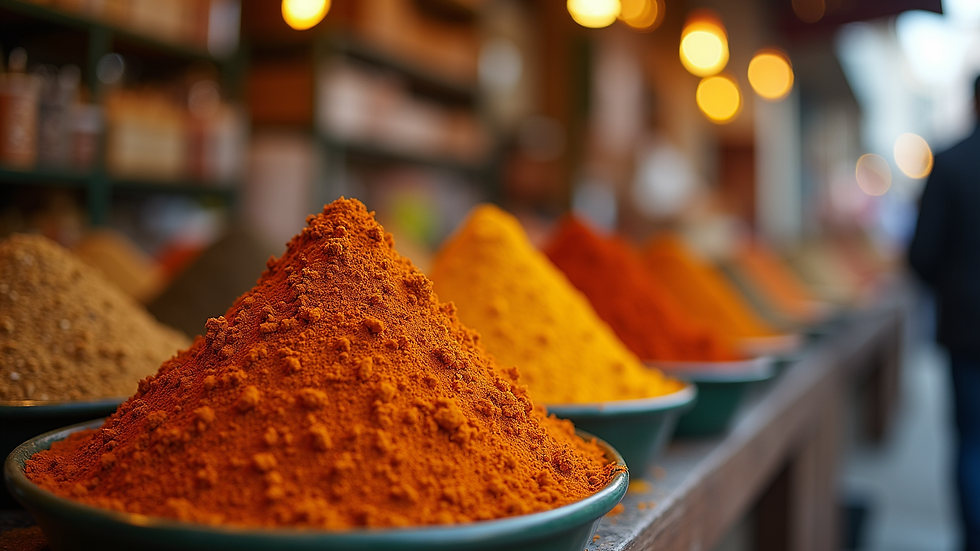
The Richness of Indonesian Spices
Indonesia is often referred to as the "Spice Islands" due to its historical significance in the spice trade. The country is home to a variety of spices that are sought after worldwide. Here are some of the most notable:
Cloves
Cloves are one of Indonesia's most famous exports. The country is the largest producer of cloves globally, particularly in the Maluku Islands. Cloves are used in cooking, traditional medicine, and even in the production of essential oils. Their strong aroma and flavor make them a staple in many cuisines.
Nutmeg
Nutmeg, another spice native to Indonesia, is primarily grown in the Banda Islands. This spice is not only used in culinary applications but also has medicinal properties. Nutmeg is known for its anti-inflammatory and antioxidant effects, making it a valuable addition to health products.
Cinnamon
Indonesian cinnamon, often referred to as "Korintje" cinnamon, is renowned for its sweet flavor and aromatic qualities. It is widely used in baking, cooking, and even in beverages. The high demand for this spice has made Indonesia one of the top producers in the world.
Turmeric
Turmeric is a vibrant yellow spice that has gained popularity for its health benefits. It is widely used in traditional Indonesian dishes and is known for its anti-inflammatory properties. The demand for turmeric has surged in recent years, particularly in health and wellness products.
Black Pepper
Indonesia is also a significant producer of black pepper, particularly from the islands of Sumatra and Sulawesi. Known as the "king of spices," black pepper is a staple in kitchens around the world. Its versatility and flavor make it a must-have in any spice collection.
The Importance of Biomass in Indonesia
Biomass refers to organic materials that can be used as fuel or for other purposes. In Indonesia, biomass plays a crucial role in energy production and sustainable practices. Here are some key aspects of biomass in Indonesia:
Types of Biomass
Agricultural Residues: Indonesia produces a significant amount of agricultural residues, including rice husks, palm oil waste, and sugarcane bagasse. These materials can be converted into biofuels or used for energy generation.
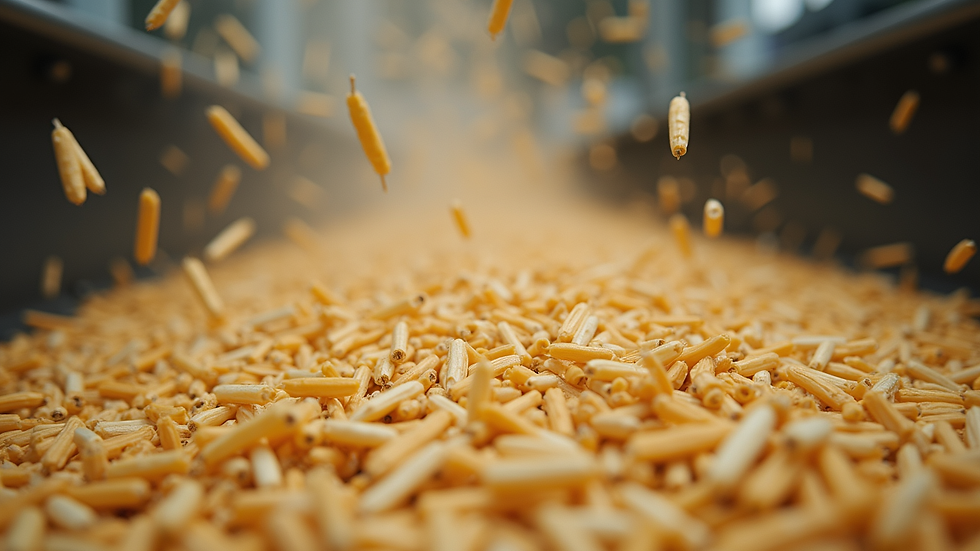
Wood Biomass: The forestry sector in Indonesia provides a variety of wood biomass, including sawdust and wood chips. These materials are often used in the production of pellets for heating and energy.
Animal Manure: Livestock farming generates a considerable amount of manure, which can be processed into biogas or organic fertilizers. This not only helps in waste management but also provides a renewable energy source.
Sustainable Practices
The Indonesian government has recognized the importance of sustainable biomass production. Initiatives are in place to promote the use of renewable energy sources and reduce reliance on fossil fuels. Some key practices include:
Agroforestry: Integrating trees with crops and livestock to enhance biodiversity and improve soil health.
Waste-to-Energy Projects: Converting agricultural and forestry waste into energy, reducing environmental impact while providing a renewable energy source.
Certification Programs: Encouraging sustainable practices among farmers and producers to ensure that biomass is sourced responsibly.
The Global Market for Indonesian Spices and Biomass
The demand for high-quality spices and biomass from Indonesia is growing in international markets. Here are some trends and opportunities:
Export Opportunities
Spices: The global spice market is projected to grow significantly, with increasing consumer interest in natural and organic products. Indonesian spices, known for their quality, are well-positioned to meet this demand.
Biomass Energy: As countries seek to transition to renewable energy sources, the demand for biomass products is on the rise. Indonesia's abundant resources provide a unique opportunity to export biomass fuels and technologies.
Challenges in the Market
While there are numerous opportunities, challenges remain in the spice and biomass sectors:
Sustainability Concerns: Ensuring that production methods are sustainable and do not harm the environment is crucial for long-term success.
Quality Control: Maintaining high-quality standards is essential to compete in the global market. This includes proper harvesting, processing, and storage methods.
Market Access: Navigating international trade regulations and establishing reliable supply chains can be complex for Indonesian producers.
Conclusion
Indonesia's high-quality biomass and spices offer immense potential for both local and global markets. With a rich history and a commitment to sustainable practices, Indonesian producers are well-equipped to meet the growing demand for these products. By focusing on quality, sustainability, and market access, Indonesia can continue to thrive as a leading source of biomass and spices.
As consumers become more conscious of their choices, the importance of sourcing high-quality, sustainable products will only increase. Whether you are a culinary enthusiast or a business looking to explore new markets, the spices and biomass from Indonesia present exciting opportunities. Embrace the flavors and benefits of Indonesian products and support sustainable practices that benefit both the environment and local communities.

Comments